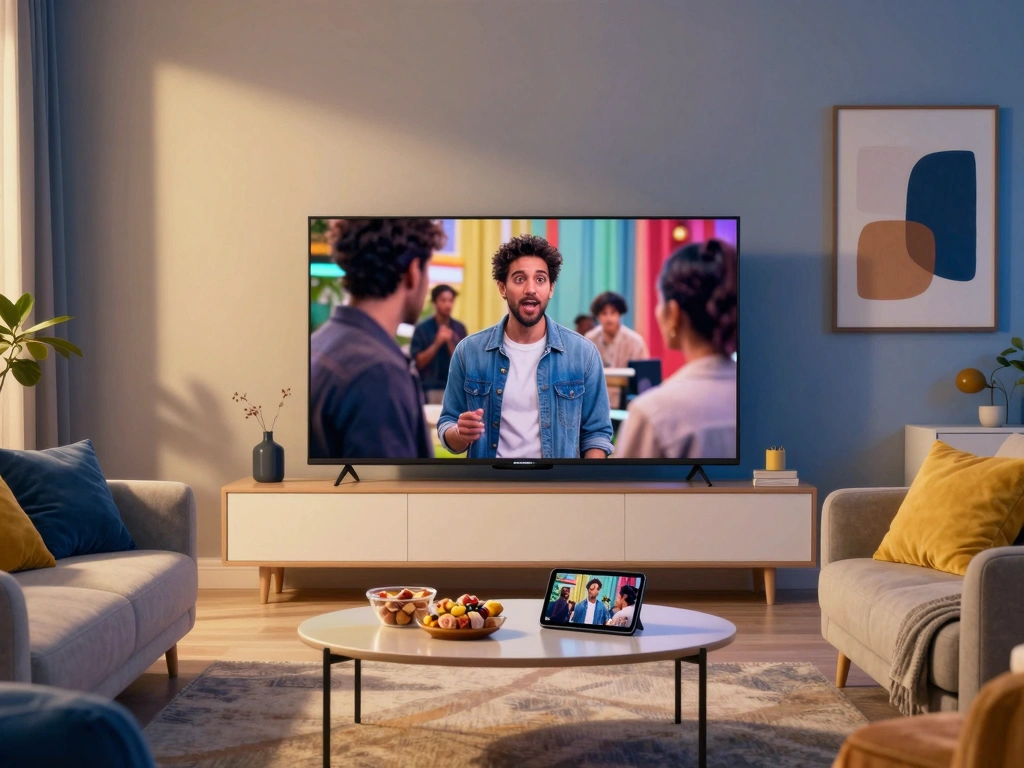
The Rise of Short-Form Vertical Drama
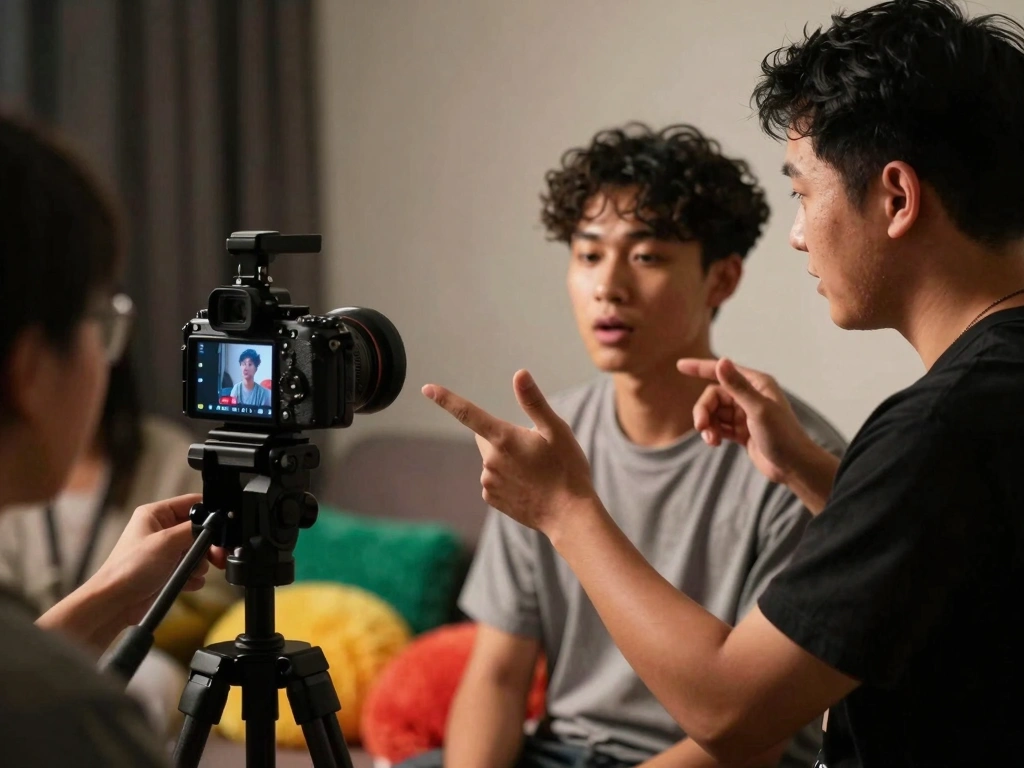
Defining Short-Form Vertical Drama
Short-form vertical drama refers to narrative-driven content designed specifically for mobile consumption, typically lasting from a few minutes to about 30 minutes per episode. This format is characterized by its vertical aspect ratio, optimized for viewing on smartphones and tablets. Unlike traditional horizontal formats, short-form vertical drama embraces the natural grip of mobile devices, making it more accessible and engaging for users who often watch content on-the-go.
Historical Context and Evolution
The roots of short-form content can be traced back to the early days of the internet, where platforms like YouTube popularized brief videos. However, the advent of social media apps such as TikTok and Instagram has dramatically accelerated this trend. These platforms have cultivated a generation of viewers accustomed to digesting quick, captivating snippets of entertainment. In 2019, TikTok emerged as a cultural phenomenon, boasting over 1 billion monthly active users, and the short-form video format became a staple in digital storytelling.
In response, streaming services began experimenting with shorter, vertical content. Quibi, launched in 2020, aimed to deliver high-quality short-form content but ultimately failed due to various factors, including market saturation and a lack of compelling narratives. Despite its closure, Quibi's efforts highlighted the potential for short-form vertical drama within established platforms, prompting services like Netflix and Hulu to explore similar formats.
Key Platforms Leading the Change
Several key platforms have positioned themselves as leaders in the short-form vertical drama space. Notably:
- Netflix: In late 2020, Netflix introduced "Fast Laughs," a feature showcasing short clips from its catalog, emphasizing its commitment to short-form content.
- Snapchat: The platform launched "Snap Originals," a collection of vertical video series like "Dead Girls Detective Agency," reflecting its strategy to create engaging, bite-sized storytelling.
- Instagram: With its IGTV and Reels features, Instagram has encouraged creators to produce vertical dramas that capture attention quickly, fostering a new wave of storytelling.
Consumer Behavior and Engagement Trends
Shifting Viewing Habits Among Audiences
As attention spans shorten and the demand for immediate gratification grows, viewers are increasingly drawn to shorter content. A report by Nielsen found that audiences are likely to engage with videos lasting less than 30 seconds, which aligns perfectly with the format of short-form vertical dramas.
Moreover, the COVID-19 pandemic accelerated these trends as people sought quick escapism from daily routines. According to a survey conducted by Deloitte, 88% of respondents expressed an interest in short-form content during lockdowns. This shift in consumer behavior has led streaming services to re-evaluate their content strategies to cater to this emerging preference.
Impact of Mobile Consumption on Content Creation
Mobile consumption has significantly influenced content creation practices. With more than 70% of video views occurring on mobile devices, creators are now prioritizing vertical formats to enhance user experience. The shift has prompted writers and directors to rethink narrative structures, focusing on concise storytelling that captures attention quickly.
For instance, platforms like TikTok have fostered a culture of experimentation, where creators are encouraged to engage in rapid cycle iterations of their work. This has inspired traditional streaming platforms to adopt similar practices, leading to more agile content development processes that cater to audience feedback and trends.
Audience Retention Strategies for Short-Form Content
To keep viewers engaged and returning for more, streaming services have developed innovative audience retention strategies tailored for short-form content. Techniques include:
- Cliffhangers: Many short-form dramas employ cliffhangers to create suspense, enticing viewers to continue watching. For example, "The Stranger" on Netflix ends episodes with unresolved conflicts that compel viewers to click "next."
- Serial Storytelling: Series such as "Ramy" on Hulu utilize episodic storytelling where each short installment builds upon the last, creating a compelling narrative arc that enhances viewer investment.
- Interactivity: Platforms like Netflix have begun integrating interactive elements into their short-form dramas, allowing viewers to make choices that influence the storyline, thereby increasing engagement and replay value.
Creative Storytelling Techniques in Vertical Format
Adapting Traditional Narratives to Short-Form
Adapting traditional narratives to fit short-form vertical drama is a challenge that requires creativity and precision. Writers have learned to condense complex plots into concise, engaging formats. For instance, the series "Q-Code Media's "The Edge of Sleep" effectively utilizes a limited runtime to deliver a gripping mystery that unfolds rapidly, demonstrating how traditional storytelling techniques can be reimagined for a modern audience.
The Role of Visual Aesthetics in Engagement
Visual aesthetics play a crucial role in short-form vertical dramas. Given the limited time viewers engage with the content, creators often prioritize striking visuals to capture attention immediately. The series "Bite Size Halloween" on Hulu showcases how compelling visuals can enhance storytelling, using vibrant colors and interesting cinematography to create an inviting atmosphere that draws viewers in.
Moreover, the use of vertical framing allows for a more intimate viewer experience, making characters feel closer and more relatable. This visual intimacy is particularly effective in dramas that focus on personal narratives, as seen in "Love, Victor," where the vertical format amplifies emotional connections.
Innovative Character Development in Limited Timeframes
Character development in short-form vertical dramas must occur swiftly yet effectively. Writers often resort to shortcuts that reveal character traits through actions and dialogue rather than lengthy exposition. For example, in "The Good Place," character arcs are developed through clever writing and rapid interactions, allowing viewers to understand complex relationships in a matter of minutes.
Moreover, platforms are increasingly leveraging social media integration, allowing characters to have a "real-life" presence that extends beyond the screen. This cross-platform engagement fosters deeper connections with audiences and enhances character relatability and development.
Monetization and Economic Implications
Advertising Opportunities in Short-Form Content
Short-form vertical dramas offer unique advertising opportunities for streaming services. With attention spans dwindling, brands are finding it increasingly effective to integrate advertisements seamlessly into short content. Recent studies show that mobile video ads have a 60% higher engagement rate than traditional desktop ads, indicating that short-form content is an ideal medium for advertisers.
For example, TikTok has successfully partnered with brands to create sponsored content that blends seamlessly with user-generated videos. Similarly, platforms like Snapchat have capitalized on this trend by offering brands the chance to sponsor entire series, expanding their reach to target demographics.
Subscription Models Tailored for Vertical Drama
As short-form vertical dramas gain traction, streaming platforms are innovating their subscription models to accommodate this new type of content. Services like Hulu have introduced flexible pricing that allows users to access short-form content without committing to full-length series. This model attracts a broader audience, particularly younger viewers who prefer bite-sized entertainment.
Additionally, platforms are exploring ad-supported tiers that offer free access to short-form content while allowing advertisers to capitalize on the growing viewership. This dual-model approach can enhance revenue streams while appealing to cost-sensitive consumers.
Financial Risks and Rewards for Streaming Services
The financial landscape surrounding short-form vertical drama is complex, presenting both risks and rewards for streaming services. While investing in short-form content can lead to increased viewership and engagement, it also involves significant production costs without guaranteed returns.
For instance, Netflix's investment in short-form content has prompted discussions about its sustainability, especially given the financial pressures to continuously produce high-quality material. A 2022 report indicated that Netflix spent approximately $17 billion on content, raising concerns about the long-term viability of short-form investments.
Nevertheless, the potential rewards are substantial; successful short-form series can attract new subscribers and encourage existing users to remain engaged. As streaming platforms navigate these financial waters, the balance between risk and reward will be critical for their growth and sustainability.
The Future of Short-Form Vertical Drama in Streaming
Predictions for Industry Growth and Trends
The future of short-form vertical drama appears promising as more viewers gravitate towards mobile content consumption. Industry analysts predict that by 2025, short-form video will account for nearly 75% of all online traffic, further emphasizing the need for streaming services to adapt their strategies.
Additionally, as technology continues to evolve, innovations like augmented reality (AR) and virtual reality (VR) could be integrated into short-form content, creating immersive experiences that captivate audiences. Platforms that leverage these technologies will likely gain a competitive advantage in the ever-evolving streaming landscape.
Potential Challenges and Market Saturation
Despite its growth potential, the short-form vertical drama market faces challenges, particularly concerning saturation. With an increasing number of platforms producing similar content, distinguishing unique offerings becomes imperative. A report from eMarketer suggests that by 2024, the number of streaming services could exceed 300, raising concerns about viewer fatigue and competition for attention.
Moreover, as more creators enter the short-form space, maintaining high-quality storytelling while catering to audience demand will be a significant challenge. Streaming services will need to invest in talent and innovative approaches to ensure their content stands out in a crowded market.
Influence on Traditional Film and Television Formats
The rise of short-form vertical drama is already influencing traditional film and television formats. As audiences become accustomed to consuming shorter content, filmmakers may feel pressured to adapt their narratives to fit this new paradigm. We could see a shift in production styles, with filmmakers exploring episodic structures that mimic the pacing and engagement strategies of short-form content.
Additionally, traditional networks may begin experimenting with vertical formats, especially as younger viewers gravitate towards mobile platforms. This crossover could lead to innovative partnerships and collaborations, merging the strengths of both short-form and long-form storytelling.